MBSI

Food Security

The primary focus of research at MBSI will be to innovate new approaches to produce food crops that can be integrated into the methods of food production. MBSI will develop, demonstrate, and experiment on farms to test hypotheses and ideas that increase crop yields using small land areas for crop growth. Our particular focus will be on developing nutritious foods that are critical to optimal health.

Why does MBSI focus on Sustainable farming?

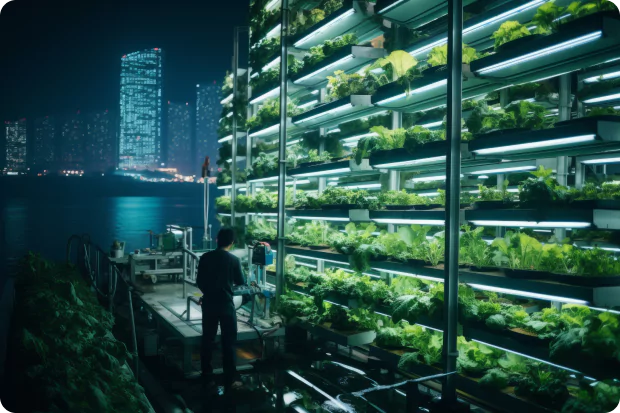
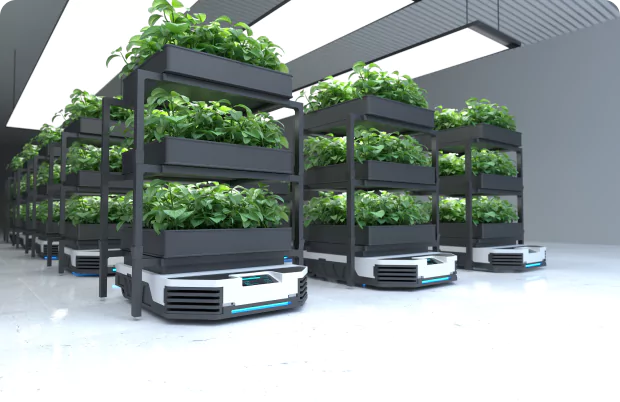
MBSI’s first research agenda is vertical farming methods and innovations for food production. With this technology our focus will be on using only 1% of land, compared to conventional farming. Thus, increases crop yield by 700% and provides harvest 365 days annually. Vertical farming methods use 95% less water than conventional agriculture, thus minimizing adverse environmental impacts.

Vertical farms fall into three categories:

Hydroponics: Where plants are grown in nutrient-rich water

Aeroponics: Where roots are sprayed with nutrient-enriched mists

Aquaponics: Where waste produced by farmed fish or other aquatic animals supplies nutrients for plants grown hydroponically and the plants, in turn, purify the water.
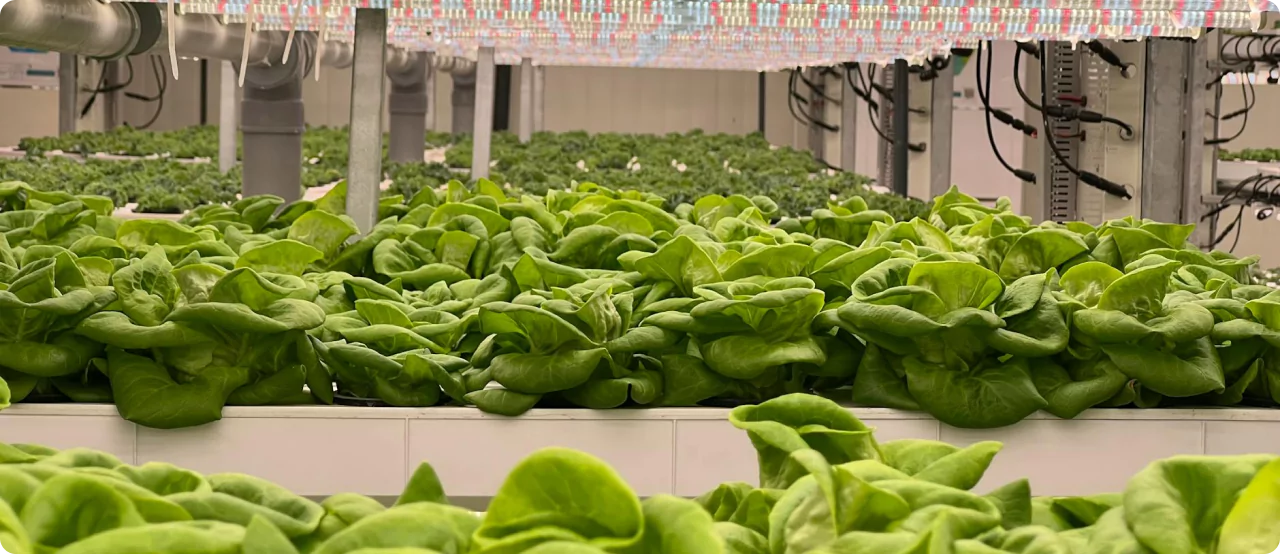
MBSI will focus on center research on the aquaponics method, with a focus on improving this technology. Another field of research for MBSI in Food Production will be agroforestry. Agroforestry involves the intentional integration of trees and shrubs into crop and animal farming systems to create environmental, economic, and social benefits.

Why vertical farming method?

Vertical farming will expand crop yields and provide sustainable food production advances in a world of growing populations and shrinking resources. Food is, and will remain, the most important resource the planet needs to support a sustainable civilization. Technological innovation will bolster food production efficiency and yields in order to feed a growing population. MBSI will include food security in its research agenda with a laser-like focus. The food produced by state-of-the-art vertical farming methods will be sold locally and regionally. Thus, future growth will lead to export of production.
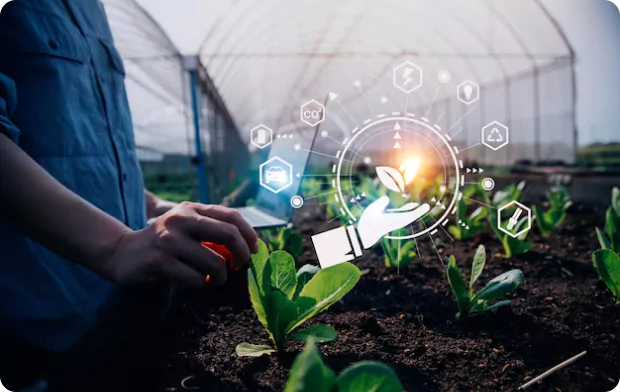
The significant focus will be on largely controlling the operations under the supervision of engineers and scientists. From end-to-end AI control, involving all food production processes, the farm installation will have both a production component and an experimental component. The focus and primary function will be the research plan, which will drive growth and expansion. The strategic direction of the food production research will be to develop nutrient-rich plant-based proteins. The plant-based proteins are easier to grow and are contributors much less to climate change in comparison to animal proteins. Food plants are the primary target for research including chickpeas, barley, lentils, almonds, pinto beans, quinoa, peanuts, walnuts, pecans, peas, butter beans, kidney beans, and other legumes. Plant genomics can improve the protein characteristics of these foods to optimize their nutritional content. This will improve the health of people who consume these new varieties. 

Long Term Research Agenda

Develop next-generation vertical farming systems for sustainable, high-yield production.

Explore genetically modified crops resistant to climate change and pests. 

Research alternative protein sources like cultured meat and insects.

Tackle food waste through improved logistics and preservation technologies. 

Use AI to optimize food distribution and address global hunger.